Transforming Healthcare: A Guide to Digital Health Solutions
SK
Introduction to Digital Health Solutions
In recent years, the healthcare industry has experienced a profound shift towards digital health solutions. These innovations are not only enhancing patient care but also streamlining administrative processes for healthcare providers. By leveraging technology, healthcare is becoming more accessible, efficient, and personalized.
The adoption of digital health solutions is transforming the way healthcare professionals interact with patients. From telemedicine to wearable technology, the landscape of healthcare is changing rapidly. This guide explores the key components and benefits of digital health solutions, offering insights into their potential impact on the healthcare sector.

The Role of Telemedicine
Telemedicine is one of the most significant advancements in digital health. It allows patients to consult with healthcare providers remotely, using video conferencing and other communication tools. This approach not only increases accessibility to medical care but also reduces the need for physical visits, which can be both time-consuming and costly.
Through telemedicine, patients in remote or underserved areas can access quality healthcare services without the need to travel long distances. This technology is particularly beneficial during emergencies or for individuals with mobility challenges. Moreover, telemedicine has proven to be a crucial tool during the COVID-19 pandemic, ensuring continuous care while maintaining social distancing.
Wearable Technology and Health Monitoring
Wearable technology is another groundbreaking development in digital health. Devices such as smartwatches and fitness trackers are equipped with sensors that monitor various health metrics, including heart rate, activity levels, and sleep patterns. These devices empower individuals to take charge of their health by providing real-time data and insights.
For healthcare providers, wearable technology offers valuable data that can be used to tailor treatment plans and monitor patient progress. By integrating wearable technology into healthcare, providers can offer more personalized and proactive care, potentially preventing health issues before they escalate.

Electronic Health Records (EHRs)
Electronic Health Records (EHRs) have revolutionized the way medical information is stored and shared. By digitizing patient records, healthcare providers can access comprehensive medical histories at the click of a button. This not only improves the efficiency of care delivery but also enhances collaboration among medical professionals.
EHRs facilitate seamless communication between different healthcare providers, ensuring that patients receive consistent and coordinated care. Additionally, these digital records reduce the risk of errors associated with paper-based systems, ultimately improving patient safety.
The Benefits of Artificial Intelligence in Healthcare
Artificial Intelligence (AI) is playing an increasingly vital role in digital health solutions. From automating administrative tasks to making accurate diagnoses, AI technologies are enhancing the capabilities of healthcare providers. Machine learning algorithms can analyze vast amounts of data to identify patterns and predict outcomes, leading to more informed decision-making.
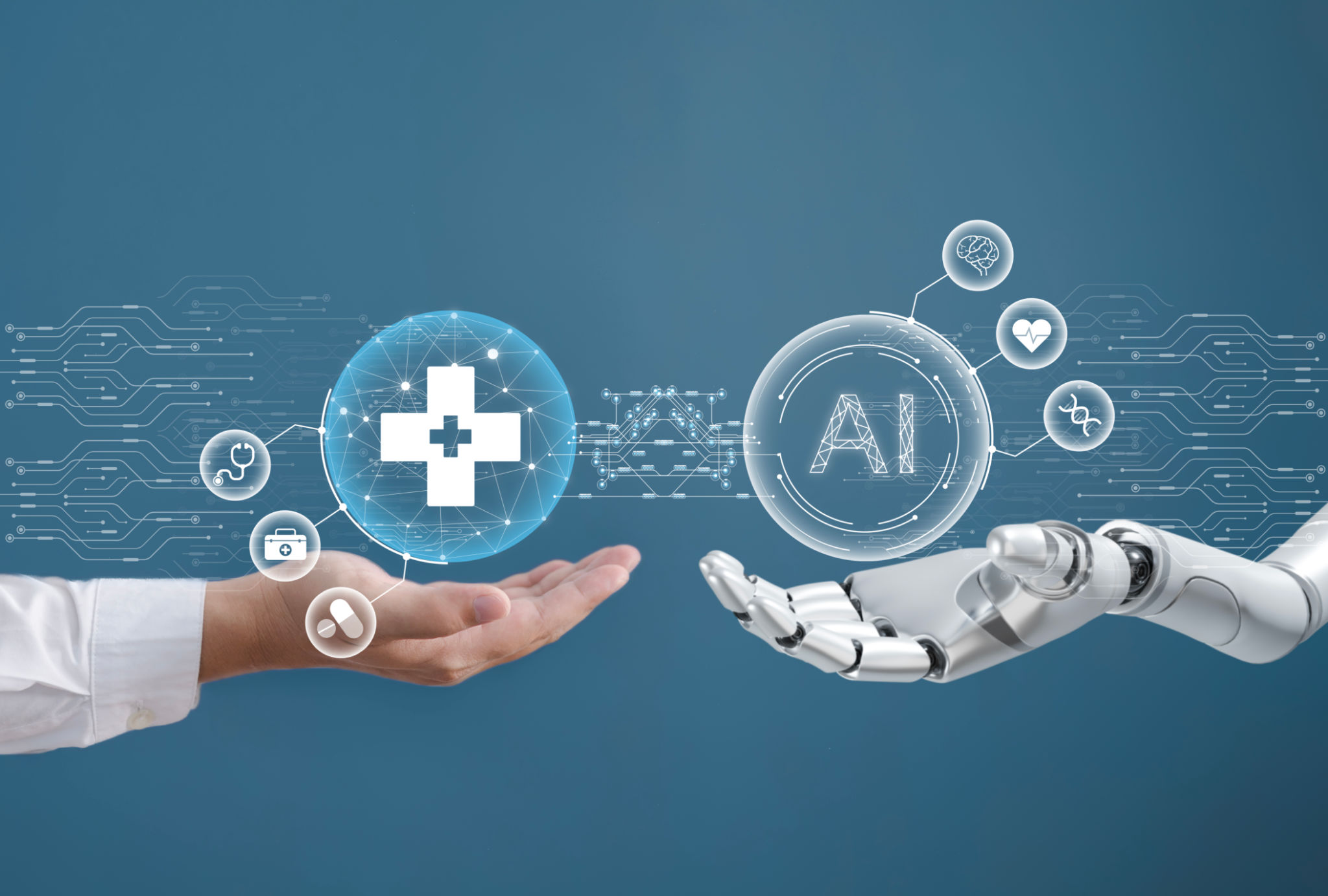
AI-powered tools are also being used to develop personalized treatment plans, optimize resource allocation, and improve patient engagement. As AI continues to evolve, its integration into healthcare promises to drive innovation and efficiency.
Challenges and Future Directions
Despite the numerous advantages of digital health solutions, there are challenges that need to be addressed. Data privacy and security remain top concerns, as the digitization of health records increases the risk of cyber threats. Ensuring compliance with regulations and maintaining patient confidentiality is paramount.
Looking ahead, the future of digital health solutions is promising. Continued advancements in technology and increased adoption of digital tools are expected to further transform the healthcare industry. By embracing these innovations, healthcare providers can deliver improved patient outcomes and foster a more efficient healthcare system.