How to Improve Hospital Efficiency with Consulting: A Comprehensive Guide
SK
Understanding Hospital Efficiency
Hospital efficiency is crucial for delivering quality patient care while controlling costs. By optimizing processes, hospitals can improve patient outcomes, reduce waiting times, and enhance overall satisfaction. However, achieving this efficiency can be challenging without expert guidance. This is where consulting services come into play.
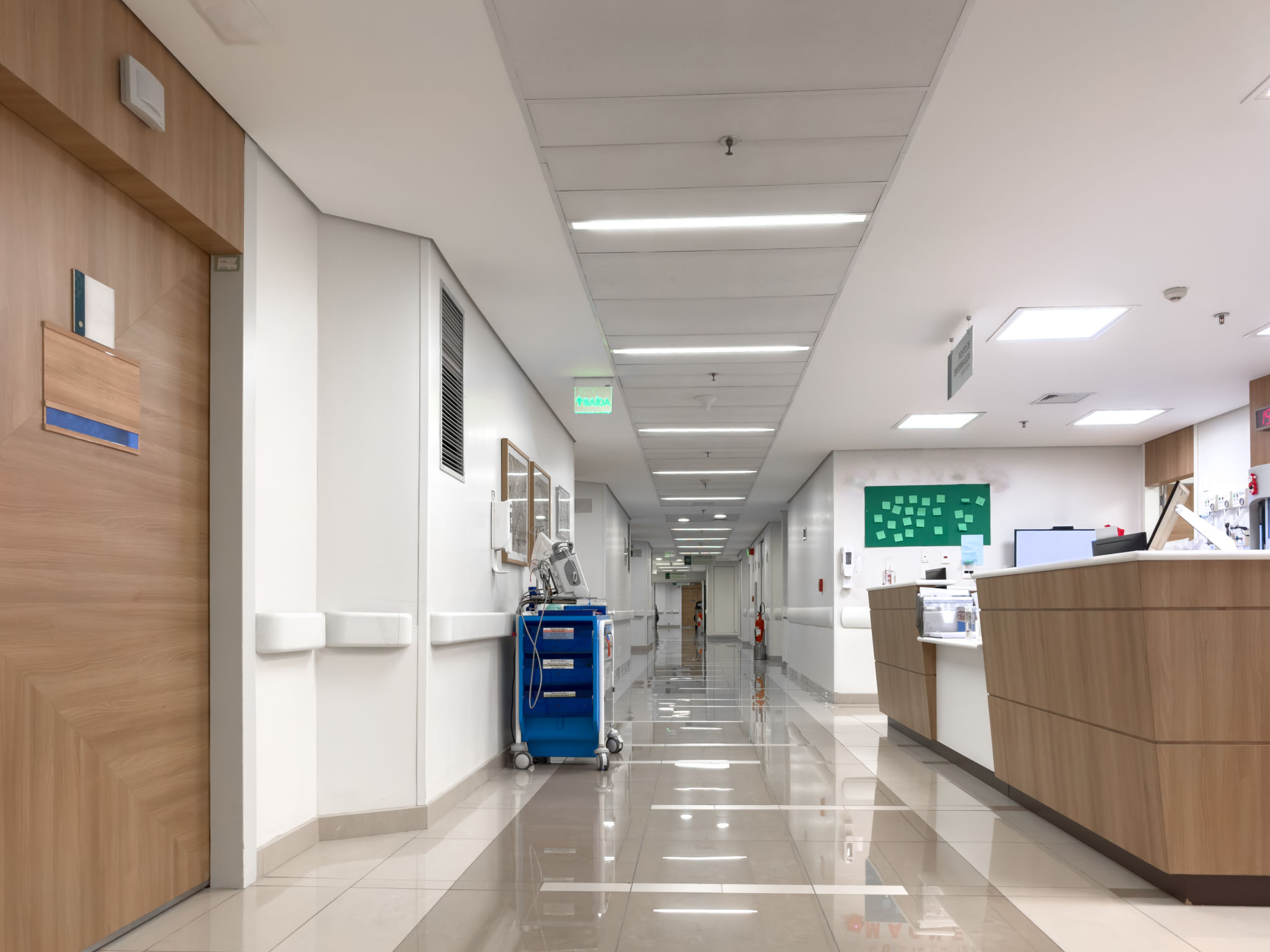
The Role of Consultants in Hospitals
Consultants bring a wealth of experience and specialized knowledge to hospitals, helping identify inefficiencies and providing tailored solutions. They work closely with hospital staff to understand existing workflows and recommend improvements. This collaboration ensures that changes are practical and sustainable.
Consultants can focus on various aspects, including administrative processes, patient flow, and technology integration. By addressing these areas, hospitals can achieve significant improvements in efficiency and service quality.
Identifying Key Areas for Improvement
To enhance hospital efficiency, it is essential to identify key areas that require attention. Common areas include:
- Patient Flow: Streamlining the movement of patients through departments to reduce bottlenecks.
- Resource Allocation: Ensuring optimal use of staff, equipment, and facilities.
- Technology Utilization: Implementing advanced healthcare technologies to improve data management and patient care.

Implementing Effective Strategies
Once key areas are identified, consultants can help develop and implement strategies tailored to the hospital’s unique needs. These strategies may include:
- Process Optimization: Redesigning workflows to eliminate unnecessary steps and reduce delays.
- Staff Training: Providing comprehensive training programs to enhance skills and efficiency.
- Technology Integration: Leveraging electronic health records and telemedicine to streamline operations.
These strategies not only improve efficiency but also contribute to a better patient experience.
Measuring Success and Continuous Improvement
After implementing changes, it's crucial to measure their impact. Consultants can assist in setting up metrics and key performance indicators (KPIs) to evaluate success. Regular reviews help ensure that improvements are maintained and adapted as necessary.

Continuous improvement is key to sustaining efficiency. By fostering a culture of ongoing evaluation and adaptation, hospitals can remain responsive to changes in the healthcare landscape.
Conclusion
Improving hospital efficiency is an ongoing process that requires strategic planning and expert guidance. Consulting services offer valuable support in identifying inefficiencies and implementing effective solutions. By focusing on key areas and embracing continuous improvement, hospitals can enhance their operations, leading to better patient care and satisfaction.